Top 5 Compliance Steps to Import Supplements to the US
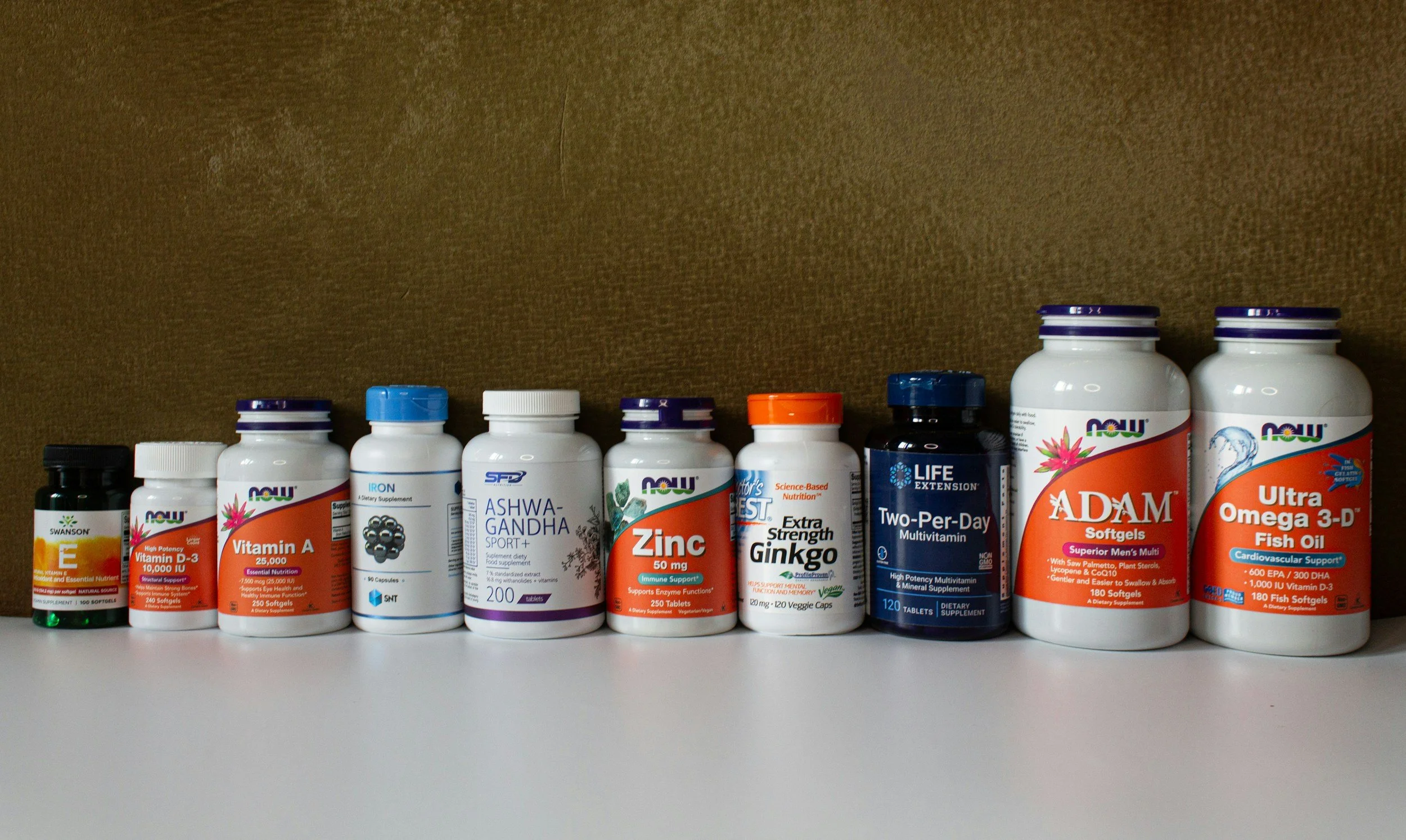
Importing dietary supplements into the United States requires navigating a complex regulatory landscape overseen by the Food and Drug Administration (FDA). Whether you're a new importer or looking to ensure your compliance program is comprehensive, understanding these five critical steps will help you avoid costly delays, product seizures, and potential penalties.
1. FDA Facility Registration and U.S. Agent Designation
Before you can import any dietary supplement into the United States, the manufacturing facility must be registered with the FDA. This requirement applies to all facilities that manufacture, process, pack, or hold dietary supplements for consumption in the U.S., regardless of whether they're domestic or foreign.
Key requirements include:
Biennial Registration: Facilities must renew their FDA registration every other year. The FDA can suspend an active registration if health risk scenarios arise.
U.S. Agent Requirement: Foreign facilities without U.S. employees must appoint an FDA Agent who acts as a liaison with the FDA. This agent must be physically located in the United States and is responsible for communications between the FDA and the foreign facility.
Inspection Authority: All registered facilities producing products for the U.S. market are subject to FDA inspection for compliance with Good Manufacturing Practices (GMPs).
Registration establishes your facility's accountability in the FDA's system and is a prerequisite for all subsequent compliance steps. Without proper registration, your products will be refused entry at U.S. ports.
2. Good Manufacturing Practice (cGMP) Compliance
The FDA has established comprehensive Good Manufacturing Practice regulations specifically for dietary supplements under 21 CFR Part 111. Compliance with cGMPs ensures consistent manufacturing of products in terms of identity, purity, strength, and composition.
cGMP requirements cover:
Manufacturing Operations: Proper procedures for cleaning plants and equipment, calibration of instruments, and equipment maintenance
Quality Control: Rigorous testing protocols and product verification procedures
Record Keeping: Documentation of all manufacturing processes, pest control records, and water quality data
Personnel Training: Proper training programs for all staff involved in manufacturing operations
Written Procedures: Detailed written instructions for all critical operations
cGMP compliance is not optional—it's a fundamental requirement. Violations can result in product seizures, import refusal, and potential criminal prosecution. For foreign facilities, FDA inspection teams have the authority to conduct on-site GMP inspections anywhere in the world.
3. Foreign Supplier Verification Program (FSVP)
Under the Food Safety Modernization Act (FSMA), importers of dietary supplements must implement a Foreign Supplier Verification Program. FSVP places the burden of safety compliance directly on importers and requires them to verify that their foreign suppliers meet U.S. food safety standards.
FSVP requirements include:
Qualified Individuals: Importers must use qualified individuals to conduct FSVP activities
Risk-Based Supplier Verification: Evaluate and approve suppliers based on potential hazards
Hazard Analysis: Document potential hazards associated with products and establish prevention strategies
Verification Activities: Conduct regular audits, sampling, testing, or review supplier compliance records
Corrective Actions: Establish procedures for addressing supplier non-compliance
Written Documentation: Maintain comprehensive written FSVP plans and records
For dietary supplement importers specifically, the FDA has established modified FSVP requirements that focus primarily on verifying supplier compliance with cGMPs. However, this doesn't reduce the importer's responsibility—it simply tailors the verification activities to the unique characteristics of dietary supplements.
Importers without a physical U.S. presence must designate an agent physically located in the U.S. to carry out FSVP responsibilities, and this designation must be documented in writing.
4. Product Labeling
Dietary supplement labels must comply with strict FDA requirements. A non-compliant label is grounds for the FDA to classify your product as "misbranded," which will result in refusal of entry at U.S. ports.
All dietary supplement labels must include:
Statement of Identity: The product name clearly displayed on the principal display panel (PDP), identifying the product as a "dietary supplement" or with the specific type of dietary ingredient (e.g., "Vitamin C Supplement")
Supplement Facts: This is distinct from a nutrition facts panel and must include the source of ingredients, including which part of the plant an ingredient comes from
Ingredient List: A complete list of all ingredients in descending order by weight. If all source ingredients are already listed in the Supplement Facts panel and there are no other ingredients (such as excipients or fillers), a separate ingredient statement may not be required
Net Quantity Statement: A clear declaration of the amount of product in the package
Country of Origin: Mandatory for all dietary supplement products sold in the U.S.
Manufacturer Information: Name and address of the manufacturer, packer, or distributor
U.S. Contact Information: A domestic U.S. address or phone number where consumers can report adverse events. This is a critical requirement—labels without U.S. contact information will be deemed misbranded
Language: All labeling must be in English
Claims Compliance:
Product claims are one of the most common areas where importers face FDA scrutiny. Claims can appear anywhere your product is marketed—on labels, websites, social media, or advertisements. Structure/function claims (claims about effects on the body's structure or function) require substantiation and must include a disclaimer. Disease claims require FDA pre-approval. Ensure all marketing materials comply with FDA and FTC regulations to avoid violations.
5. FDA Prior Notice Filing
Prior Notice is required for every shipment of dietary supplements offered for import into the United States, without exception. This requirement gives the FDA advance warning to assess potential health risks before products arrive at U.S. ports.
Prior Notice must include:
Product Information: Detailed description, FDA Product Code, quantity, and packaging details
Facility Information: Manufacturing facility registration number
Shipment Details: Anticipated arrival information, port of entry, and mode of transportation
Shipping Documentation: Bill of lading, airway bill, or tracking number
Country Information: Must include any country to which the article has been refused entry
Critical Timing Requirements:
Prior Notice can be submitted up to 15 calendar days before arrival (via FDA's Prior Notice System Interface) or up to 30 days before arrival (via CBP's Automated Broker Interface)
Minimum advance filing times vary by mode of transport
Shipments arriving without valid Prior Notice will be refused entry and held by U.S. Customs and Border Protection (CBP)
After submission, FDA provides a confirmation number and barcode that should accompany the shipment. However, this confirmation does not mean FDA has approved the shipment—it only confirms that the Prior Notice is facially complete. FDA reserves the right to inspect any shipment upon arrival.
Failure to file Prior Notice or filing incomplete or inaccurate information can result in significant fines, penalty fees, and shipment refusal.
Consequences of Non-Compliance
The FDA takes dietary supplement import compliance seriously. Violations can result in:
Product Detention: Products held at the port of entry
Refusal of Entry: Shipments denied entry into the United States
Product Seizure: FDA confiscation of non-compliant products
Warning Letters: Formal FDA enforcement action
Fines and Penalties: Significant monetary penalties
Import Alerts: Products from your facility automatically detained
Criminal Prosecution: For serious violations involving public health risks
Final Thoughts
Importing dietary supplements into the United States requires careful attention to regulatory details and a commitment to ongoing compliance. These five steps—FDA facility registration, cGMP compliance, FSVP implementation, proper labeling, and Prior Notice filing—form the foundation of a successful import program.
Working with experienced legal advisors can help ensure your compliance program is robust and up to date. The investment in proper compliance procedures will save you from costly delays, product losses, and regulatory actions down the line.
Remember: the responsibility for compliance rests squarely with importers. The FDA does not approve dietary supplements before they reach consumers—instead, it's your job to ensure products meet all U.S. requirements before offering them for import.